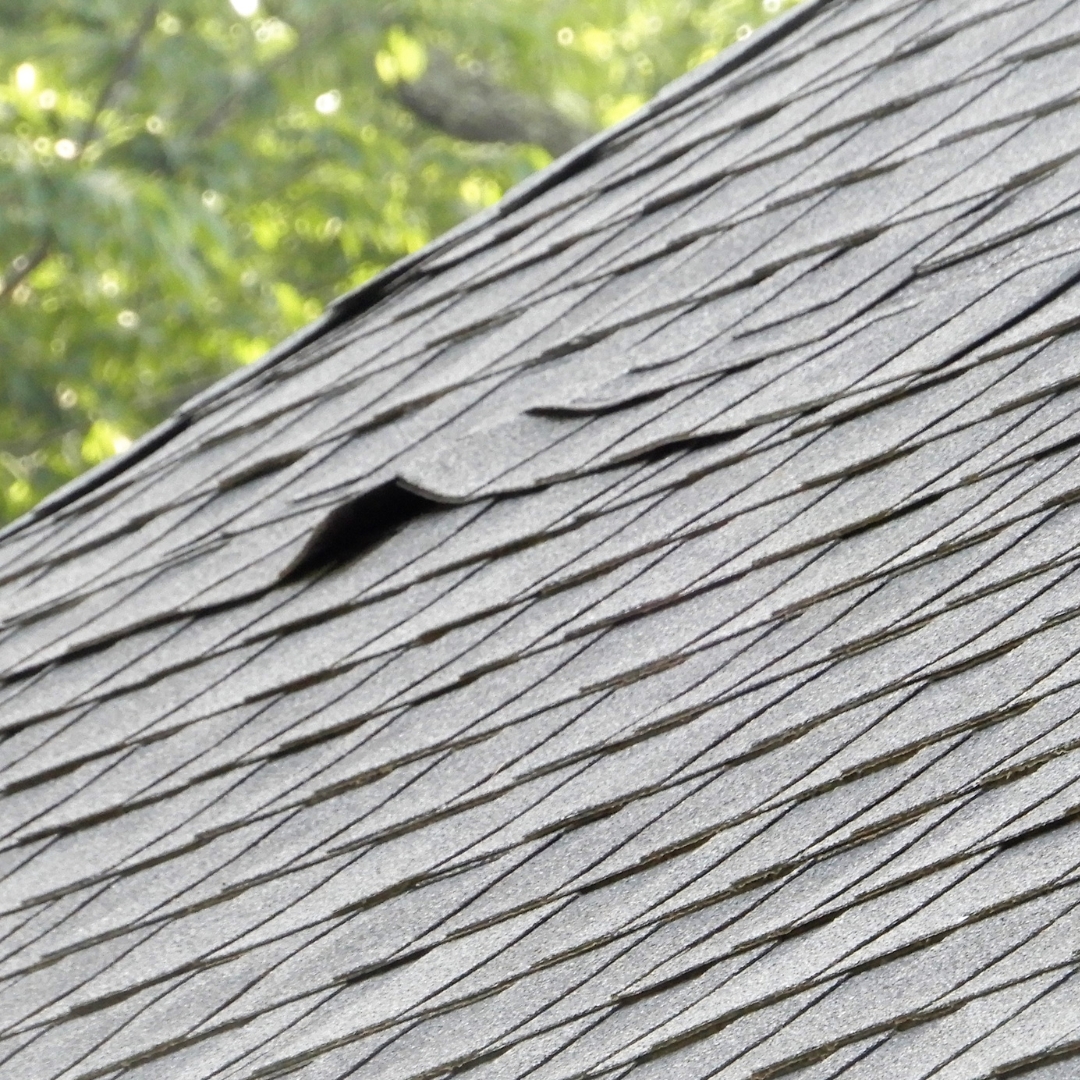
By staying proactive and addressing minor issues before they become major problems, you can significantly extend the lifespan of your roof. Here are some practical and effective tips to help you keep your roof in great shape. Conduct regular roof inspections, ideally twice a year, in the spring and fall. These inspections help you catch problems early, such as missing, cracked, or curled shingles, which can lead to leaks if not addressed. Pay special attention to areas around vents, chimneys, skylights, and roof valleys, as these are common spots for issues. For a more thorough inspection, consider hiring a professional roofer who can identify less obvious problems like leaks, structural damage, or ventilation issues. Clean gutters and downspouts are essential for proper water drainage. Clogged gutters can cause water to back up under your roof, leading to water damage and even foundation issues. Regularly clear out leaves, twigs, and other debris to ensure water flows freely. Installing gutter guards can help reduce the amount of debris that accumulates and lessen the frequency of cleanings. Remember, well-maintained gutters protect not only your roof but also your home’s walls and foundation. Debris like leaves, branches, and dirt can accumulate on your roof, trapping moisture and promoting the growth of moss and algae. These can damage roofing materials over time, particularly shingles. Use a roof rake or a blower to gently remove debris. It’s crucial to be cautious during this process to avoid damaging the roof’s surface. For safety and to prevent damage, consider hiring a professional if the debris is hard to reach or if you’re unsure how to clean it properly. Tree branches hanging over your roof can pose several risks. They can scrape against shingles, wearing them down over time, and drop leaves and debris that can clog gutters. In storms, overhanging branches can break and fall, causing significant damage to your roof. Regularly trim back branches to keep them at a safe distance. This not only protects your roof but also reduces the likelihood of animals, like squirrels, gaining access to your roof and potentially causing damage. Flashing is the metal material used around roof features like chimneys, vents, and skylights to prevent water from seeping into your home. Over time, flashing can deteriorate, crack, or rust, leading to leaks. Regularly inspect the flashing for any signs of damage or wear and repair or replace it as needed. Properly maintained flashing is crucial for preventing water infiltration, which can cause significant damage to your roof’s structure and your home’s interior. Moss and algae can cause serious damage to your roof by trapping moisture, which can deteriorate roofing materials and lead to rot. If you notice moss or algae growth, it’s important to clean it off promptly. You can use a mixture of water and mild detergent or a specialized roof cleaner. Avoid using pressure washers, as they can damage shingles. After cleaning, consider installing zinc or copper strips near the roof ridge, which can help prevent moss and algae growth by releasing metal ions that inhibit growth. Proper ventilation is key to extending the life of your roof. It helps regulate temperature and moisture levels in your attic, preventing issues like heat buildup, condensation, and ice dams. Poor ventilation can lead to higher energy costs, mold growth, and accelerated aging of roofing materials. Ensure that your attic has sufficient intake and exhaust vents to allow air to flow freely. If you’re unsure about your roof’s ventilation, consult a professional to assess and improve the system. Even small leaks can cause big problems if left unaddressed. Water intrusion can lead to mold growth, structural damage, and ruined insulation. At the first sign of a leak—such as water stains on ceilings or walls, or damp spots in the attic—call a professional roofer to inspect and repair the issue. Early detection and repair can prevent more extensive and expensive damage. On flat or low-slope roofs, seams where roofing materials meet are potential weak points where water can seep in. Regularly inspect these seams and ensure they are properly sealed. Look for cracks, gaps, or other signs of wear, and reseal as necessary. Keeping these areas watertight is crucial to prevent leaks, especially in roofs that are more prone to standing water. Walking on your roof can damage the shingles or other roofing materials, especially if they are already aged or brittle. Foot traffic can also dislodge granules from asphalt shingles, reducing their lifespan. If you need to access your roof, use proper safety equipment and tread carefully. For most inspection and maintenance tasks, it’s best to hire a professional roofer who can do the job safely and without causing damage. Regular roof maintenance is vital for extending the life of your roof and protecting your home from water damage and other issues. By performing regular inspections, keeping gutters and roof surfaces clean, trimming overhanging branches, maintaining flashing, and ensuring proper ventilation, you can prevent many common roofing problems. Addressing minor issues promptly can save you from major repairs and costly replacements in the future. Taking these proactive steps not only safeguards your home but also gives you peace of mind, knowing that your roof is in top condition.1. Regular Inspections
2. Clean Gutters and Downspouts
3. Remove Debris from the Roof
4. Trim Overhanging Branches
5. Check and Maintain Flashing
6. Address Moss and Algae Growth
7. Ensure Proper Ventilation
8. Repair Leaks Promptly
9. Inspect and Seal Seams
10. Avoid Walking on the Roof
Conclusion