1. Contain the Leak
First, manage the water to prevent further damage inside your home. Place buckets, pans, or other containers under the dripping water to catch it. Use towels or rags to soak up water that has already pooled. If water is dripping near electrical outlets or appliances, be cautious and consider shutting off the electricity in that area to prevent electrical hazards.
2. Identify the Source
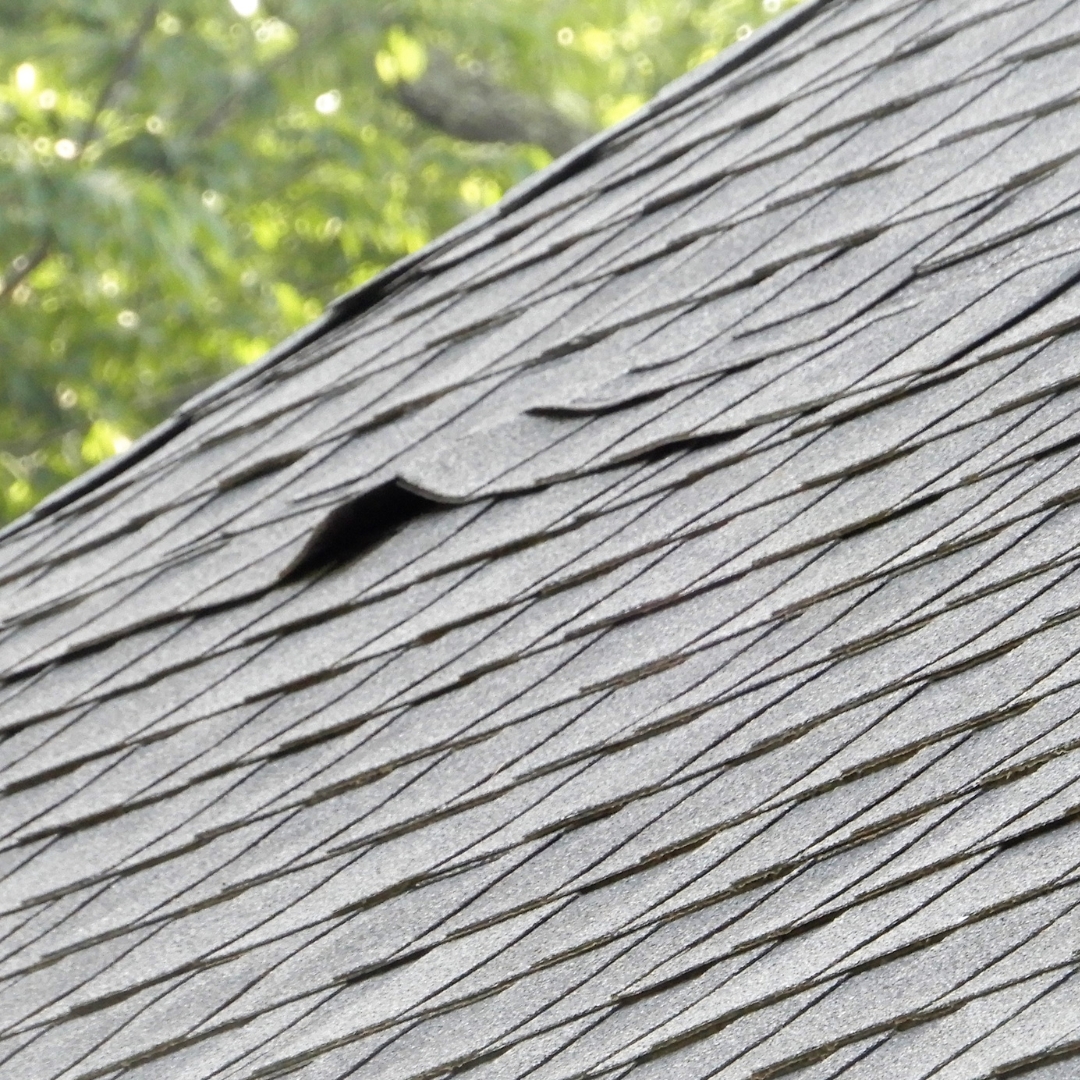
Finding the exact source of a leak can be tricky, as water can travel along roof panels or beams before dripping down. Start by inspecting your attic for signs of moisture, such as water stains, mold, or damp insulation. Follow the path of the water to identify where it enters your home. If you can’t access your attic or find the source, check the roof from the outside, paying attention to areas around chimneys, vents, skylights, and where different roof sections meet.
3. Temporary Fixes
If you find the source of the leak and can safely reach it, consider applying a temporary fix to prevent further water damage until a professional can assess the situation. For minor leaks, you can use roofing tape, tarps, or roof cement to cover the affected area. Make sure to secure any tarps tightly to prevent them from blowing away. Remember, these are only temporary measures, and you’ll need a permanent solution as soon as possible.
4. Document the Damage
Take photos or videos of the damage caused by the leak, both inside and outside your home. This documentation is useful for insurance claims and for providing a clear overview to the roofing professionals. Be sure to capture images of damaged belongings, water stains, and the roof area where the leak is suspected to have originated.
5. Contact a Professional Roofer
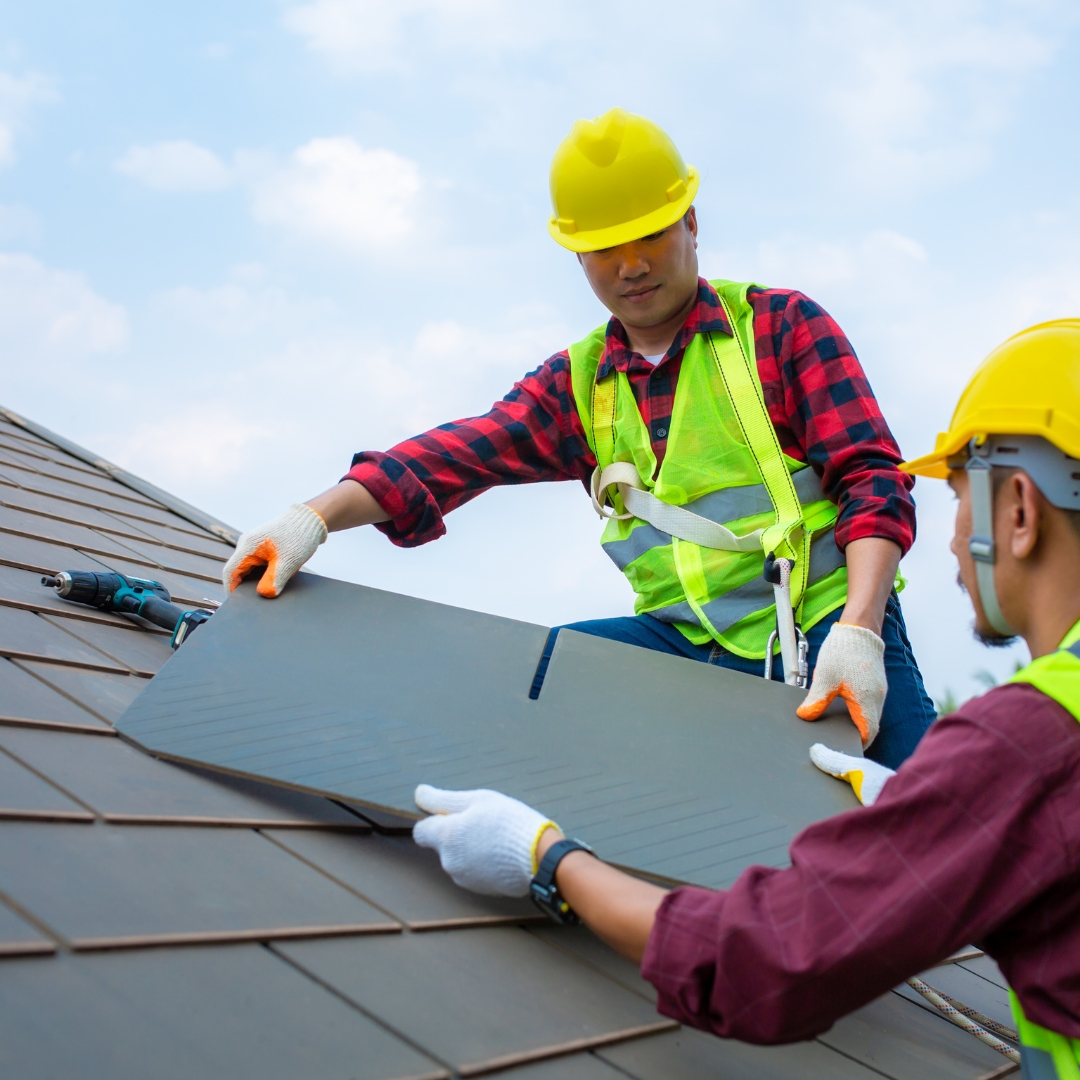
It’s important to contact a licensed roofing contractor as soon as possible. While temporary fixes can mitigate damage, a professional assessment is necessary to properly repair the leak. A qualified roofer will inspect your roof, identify the source of the leak, and recommend the best course of action for repairs. Be sure to choose a reputable contractor with good reviews and proper insurance.
6. Check Your Insurance Policy
Review your homeowner’s insurance policy to understand what coverage you have for roof leaks and water damage. Contact your insurance company to report the incident and discuss your coverage options. Depending on the cause of the leak and your policy, some or all of the repair costs and damages may be covered.
7. Remove and Dry Wet Materials
To prevent mold growth and further damage, remove wet materials like carpeting, furniture, and personal items from the affected area. If the leak has caused significant water accumulation, use fans and dehumidifiers to dry out the space. If you suspect mold growth, it’s best to consult a professional mold remediation service to ensure your home is thoroughly cleaned and safe.
8. Prevent Future Leaks
After the immediate issue is addressed, take steps to prevent future leaks. This includes regular roof inspections and maintenance, clearing gutters and downspouts, trimming overhanging tree branches, and ensuring proper attic ventilation. Regularly inspect your roof for signs of wear and tear, and address minor issues before they become major problems.
Conclusion
A roof leak is a serious issue that requires immediate attention to prevent extensive damage to your home. By containing the leak, identifying the source, applying temporary fixes, and contacting a professional roofer, you can mitigate the impact and protect your home.
Don’t forget to document the damage for insurance purposes and take preventive measures to avoid future leaks. Acting quickly and efficiently not only safeguards your property but also gives you peace of mind, knowing that you’ve addressed the problem properly.