A leaking roof is always a concern—but when it happens in the middle of a heavy rainstorm, the situation becomes urgent. Water entering your home or business can cause significant damage in a very short time. Acting quickly and calmly can make all the difference in minimizing costly water damage and ensuring your property stays safe.
This article will walk you through exactly what to do when your roof starts leaking during a storm, including how to stop the leak temporarily, protect your belongings, and determine when to call in professionals.
Why Roofs Leak During Heavy Rainstorms
Before diving into emergency steps, it helps to understand why rainstorms cause roof leaks in the first place. Common causes include:
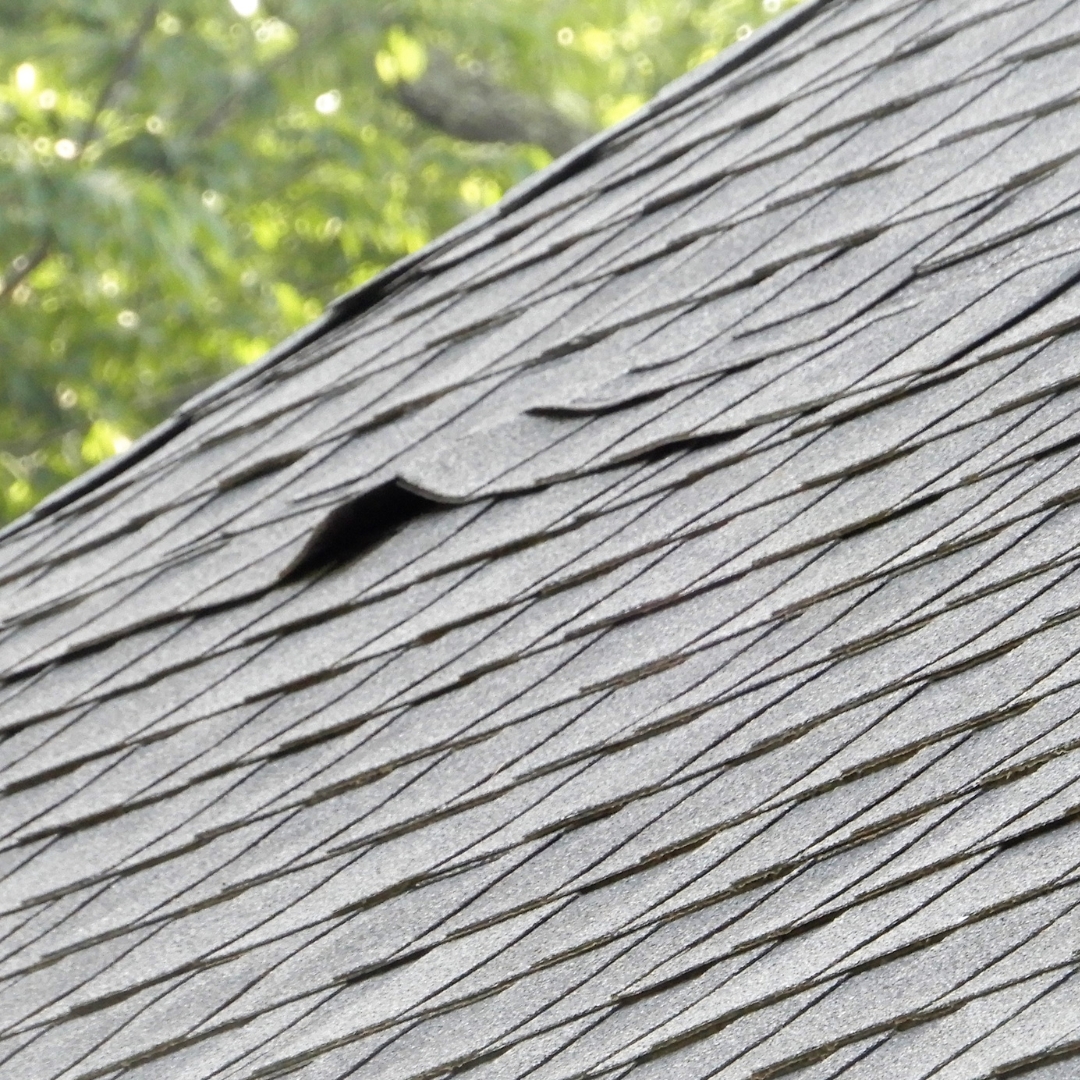
- Missing or loose shingles
- Cracked or rusted flashing
- Clogged gutters and downspouts
- Old or brittle roofing materials
- Compromised sealants around vents, chimneys, or skylights
- Flat roof ponding or poor drainage
Any of these vulnerabilities can be exploited by high volumes of rain and wind, especially on aging roofs or roofs that haven’t been maintained.
Step-by-Step Emergency Leak Response During a Storm
When you spot a leak during a storm, your goal is to minimize damage and ensure safety. Follow these steps:
1. Stay Calm and Prioritize Safety
- Turn off electricity in the affected area to prevent electrical hazards.
- Avoid stepping into puddles near electrical outlets or power strips.
- Do not climb onto the roof during a storm—it’s extremely dangerous.
2. Contain the Leak
- Use buckets or large containers to catch dripping water.
- Lay down towels or waterproof tarps to protect floors and furniture.
- If water is collecting in a bulging spot in the ceiling, poke a small hole to allow the water to drain in a controlled manner. This prevents a sudden ceiling collapse.
3. Identify the Leak Source (If Safe)
While it’s often hard to determine the exact source during a storm, if you can safely access the attic, look for:
- Dripping water or wet spots on beams
- Water stains or darkened areas
- Light shining through the roof boards
Pro Tip: Water can travel down rafters and appear far from its actual entry point. Use a flashlight and trace the moisture trail upward to get closer to the source.
4. Apply a Temporary Fix (If Accessible and Safe)
While most repairs should be left to professionals, there are some temporary measures you can take:
Tarp Covering (External Leak)
If the weather has subsided or if the rain is light:
- Secure a waterproof tarp over the suspected leaky area.
- Use nails or heavy objects to weigh it down.
Roofing Tape or Sealant (Internal Leak)
For small holes or cracks visible from the attic:
- Use roofing tape or rubberized patch to seal the crack.
- Avoid over-application—it’s temporary until the pros arrive.
Plastic Sheeting (Interior Protection)
Use large sheets of plastic to section off areas or furniture under the leak.
5. Document the Damage
Take photos and videos of:
- The visible water damage (walls, ceilings, floors, belongings)
- The active leak source if you can find it
- The temporary fixes you’ve applied
This documentation will be critical if you file a homeowners or business insurance claim.
6. Call a Professional Roofer
Once the rain has stopped, or when it’s safe to do so, call a licensed roofing contractor. Look for one that offers emergency roof services, especially if the leak is active.
A professional will:
- Perform a thorough inspection
- Provide an estimate
- Conduct temporary or permanent repairs depending on severity
What NOT to Do When Your Roof Leaks
Avoid these common mistakes during a roof leak emergency:
- Don’t ignore the leak assuming it will stop with the rain. Water damage compounds quickly.
- Don’t use makeshift materials like plastic bags, duct tape, or cardboard.
- Don’t try to repair the roof during active weather—wait until it’s safe.
Preventing Future Roof Leaks
After the immediate emergency is resolved, it’s time to focus on prevention. Here’s how:
- Schedule annual roof inspections, especially before storm seasons.
- Clean your gutters and downspouts regularly to prevent water backup.
- Trim tree branches hanging over your roof to reduce damage risk.
- Upgrade roofing materials if your roof is older than 15–20 years.
- Check attic insulation and ventilation—they help prevent condensation and ice dams.
| Time After Leak Detection | Action |
|---|---|
| 0–10 minutes | Cut power, move valuables, contain water |
| 10–30 minutes | Identify source (if safe), take photos |
| 30–60 minutes | Apply temporary fixes (sealant/tarp) |
| After storm ends | Call a roofer, file insurance if needed |
| 1–7 days | Perform professional inspection and repairs |
Final Thoughts
A leaking roof in the middle of a rainstorm can feel overwhelming, but quick action can minimize damage and save you thousands in repairs. Your first job is to stay calm, stay safe, and act fast to contain the problem. Then, let the professionals step in to restore your roof’s integrity.
By learning how to stop a roof leak in a storm and being prepared for emergencies, homeowners and business owners can confidently protect their properties—even in the worst weather.