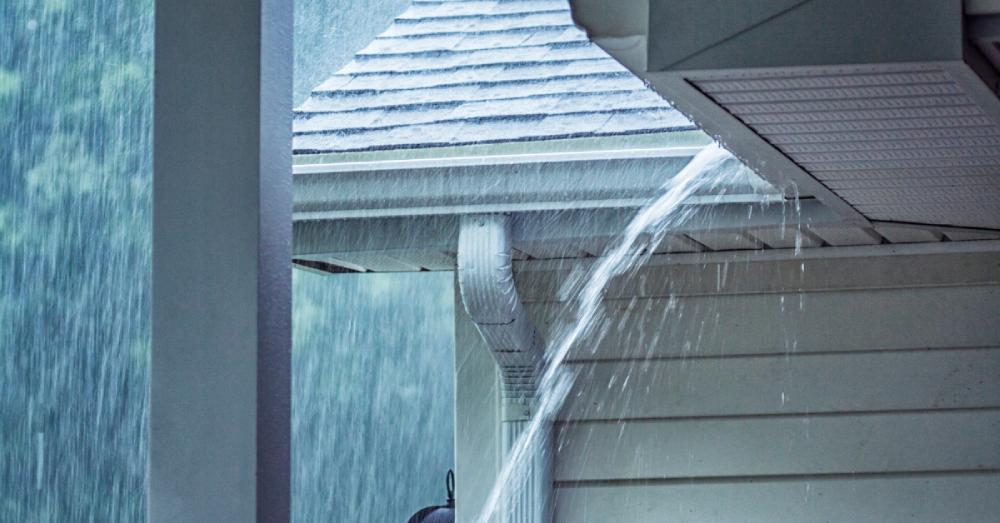
When heavy rain hits, your roof becomes the first line of defense protecting your home or business. Unfortunately, not all roofing materials are created equal—some absorb moisture, warp, or fail under the stress of continuous rainfall. Choosing the right rain-resistant roofing is key to protecting your structure from leaks, water damage, mold, and long-term wear.
Whether you’re replacing an old roof or building new, understanding which materials perform best under wet conditions can help you make a durable, cost-effective, and smart investment. This guide explores the best roofing materials for rain, along with waterproofing features, maintenance needs, and climate considerations.
Why Roofing Material Matters in Rainy Climates
Roofs in rain-prone areas face constant exposure to moisture, high humidity, and potential pooling of water. Without proper water-shedding capabilities, this can lead to:
- Shingle lifting and water intrusion
- Mold or mildew growth
- Sagging roof decks
- Structural deterioration
- Costly repairs or early roof replacement
Choosing waterproof roofing options ensures your building is better equipped to resist moisture, stay energy-efficient, and protect your investment over the long term.
Top 6 Rain-Resistant Roofing Materials
Let’s take a look at some of the most reliable materials for wet weather conditions:
1. Metal Roofing
Best for: High-rainfall areas, steep-slope roofs, residential and commercial properties
Lifespan: 40–70 years
Water Resistance: ★★★★★
Metal roofs (steel, aluminum, zinc, or copper) are highly rain-resistant thanks to their smooth, interlocking panels that shed water efficiently. They are also resistant to moss, rot, and mildew—common problems in wet climates.
Pros:
- Lightweight yet durable
- Fire and rot-resistant
- Excellent runoff for rainwater
- Low maintenance
Cons:
- Higher upfront cost
- Can be noisy during rain without proper insulation
2. Asphalt Shingles (Architectural-Grade)
Best for: Residential homes on a budget
Lifespan: 20–30 years
Water Resistance: ★★★☆☆
Architectural asphalt shingles are thicker and more water-resistant than traditional 3-tab shingles. When installed with waterproof underlayment and flashing, they offer solid protection against moderate rainfall.
Pros:
- Affordable and widely available
- Easier to install and repair
- Versatile aesthetic options
Cons:
- Can degrade under extreme moisture over time
- Susceptible to moss and algae in humid climates
3. Clay or Concrete Tiles
Best for: Mediterranean or Southwestern-style homes
Lifespan: 50–100 years
Water Resistance: ★★★★☆
Clay and concrete tiles are naturally waterproof and are installed with overlapping layers that effectively divert water. They’re particularly effective in regions with warm, wet climates.
Pros:
- Long lifespan
- Fire-resistant
- Eco-friendly and durable
Cons:
- Very heavy (may need structural reinforcement)
- Fragile under foot traffic
- Expensive installation
4. Slate Roofing
Best for: Historic or high-end homes in wet climates
Lifespan: 75–100+ years
Water Resistance: ★★★★★
Slate is a natural stone that offers unmatched water resistance and durability. When properly installed, it can handle heavy rain, snow, and even hail with ease.
Pros:
- Extremely long-lasting
- Resistant to mold, water, and insects
- Elegant appearance
Cons:
- Very expensive
- Heavy—requires strong roof structure
- Labor-intensive installation
5. Rubber Roofing (EPDM)
Best for: Flat or low-slope commercial roofs
Lifespan: 20–35 years
Water Resistance: ★★★★☆
EPDM is a synthetic rubber membrane that’s ideal for flat roofs, where water drainage is more challenging. It resists cracking and UV damage, and it’s often installed in large sheets, minimizing seams where leaks can occur.
Pros:
- Great for waterproofing flat surfaces
- UV and ozone resistant
- Low-cost installation
Cons:
- Aesthetically plain (not ideal for sloped residential roofs)
- Requires professional installation for optimal sealing
6. Synthetic Roofing (Composite Shingles)
Best for: Homeowners seeking durability and water resistance with modern looks
Lifespan: 30–50 years
Water Resistance: ★★★★☆
Made from polymer blends or recycled materials, synthetic roofing mimics the look of slate, wood, or tile but offers better moisture resistance and is lighter in weight.
Pros:
- High resistance to water and impact
- UV and fire-resistant
- Lightweight and easy to install
Cons:
- Less proven over time compared to natural materials
- Can vary in quality depending on brand
Roofing Materials Ranked by Rain Resistance and Lifespan
| Material | Rain Resistance | Lifespan (Years) |
|---|---|---|
| Metal | ★★★★★ | 40–70 |
| Slate | ★★★★★ | 75–100+ |
| Concrete Tile | ★★★★☆ | 50–100 |
| Synthetic Shingle | ★★★★☆ | 30–50 |
| Rubber (EPDM) | ★★★★☆ | 20–35 |
| Asphalt Shingle | ★★★☆☆ | 20–30 |
A bar + star combo chart will allow readers to visually compare waterproofing performance and longevity at a glance.
Choosing Based on Region and Budget
Your climate and budget will largely influence your choice:
- High rainfall, moderate temperatures? Metal or rubber may be your best bet.
- Historic home with steep slope? Slate or synthetic shingles offer beauty and durability.
- Tight budget in a wet but not extreme region? Upgraded architectural asphalt shingles with waterproof underlayment can work well.
Final Thoughts
Heavy rain can quickly test the quality of your roofing. Choosing the best roofing materials for rain will not only extend the life of your roof but also protect your home’s structure, interior, and value. Whether you prioritize cost, lifespan, or appearance, make sure your roofing choice aligns with the specific weather conditions your property will face.
Don’t wait for the next storm to expose vulnerabilities—make a rain-ready roofing decision today.