In this blog, we’ll cover ten simple roofing tips every homeowner should know. Whether you’re new to homeownership or have been in your house for a while, these tips will help you maintain your roof. From regular check-ups to selecting the right materials, these basic steps will ensure your roof stays in great shape for years to come. Let’s get started on keeping your roof in top condition!
1. Schedule Regular Inspections
Regular roof inspections are crucial for identifying potential issues before they become major problems. It’s recommended to inspect your roof at least twice a year, ideally in the spring and fall, as well as after significant weather events. Look for signs of damage, such as missing or broken shingles, cracked flashing, and debris buildup. Early detection of these issues can save you money on repairs and prevent further damage.
2. Maintain Clean Gutters
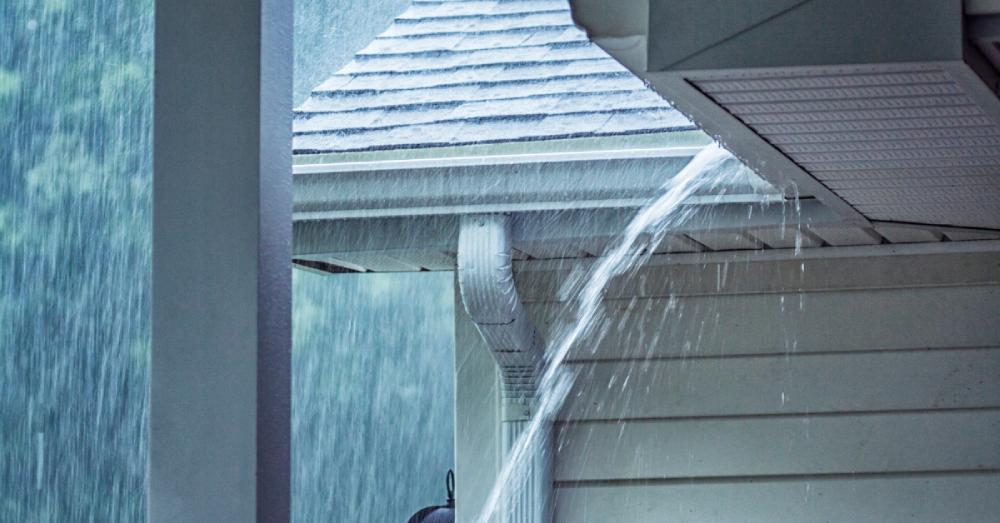
Clogged gutters can lead to water backup, which can damage your roof and the foundation of your home. Ensure that your gutters and downspouts are clean and free of debris. This allows water to flow freely and prevents it from seeping under the roof and causing leaks. Consider installing gutter guards to reduce the frequency of cleaning and protect your gutters from blockages.
3. Trim Overhanging Trees
Trees provide shade and beauty, but overhanging branches can pose a threat to your roof. During storms, branches can break and damage shingles or puncture the roof. Additionally, leaves and twigs can accumulate on the roof, trapping moisture and promoting the growth of moss and algae. Regularly trim back any branches that are close to your roof to prevent damage.
4. Check for Proper Ventilation
Proper ventilation is essential for maintaining a healthy roof and extending its lifespan. A well-ventilated roof allows heat and moisture to escape, preventing damage to the roof deck and insulation. Without adequate ventilation, excess moisture can lead to mold growth and rot, while trapped heat can cause shingles to warp. Make sure your attic has sufficient vents and that they are not blocked.
5. Address Leaks Promptly
Even small leaks can cause significant damage if left unaddressed. Water can seep into your home’s structure, leading to mold growth, weakened beams, and damaged insulation. If you notice any signs of a leak, such as water stains on ceilings or walls, dampness in the attic, or the sound of dripping water, address it immediately. Prompt repairs can prevent further damage and save you money in the long run.
6. Invest in Quality Materials
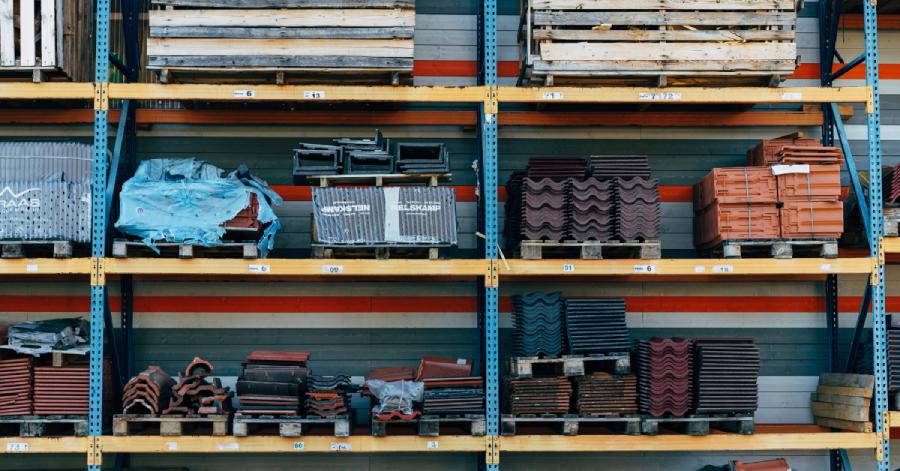
When it comes to roofing materials, you often get what you pay for. Investing in high-quality materials can provide better protection and durability, reducing the need for frequent repairs. Whether you’re replacing a few shingles or the entire roof, choose materials that are appropriate for your climate and that meet local building codes. Quality materials can also enhance the curb appeal and value of your home.
7. Install and Maintain Flashing
Flashing is a critical component of your roof that helps prevent water from penetrating joints and seams. It is typically installed around chimneys, vents, skylights, and valleys. Ensure that your flashing is properly installed and in good condition, as damaged or missing flashing can lead to leaks. Regularly inspect the flashing for signs of wear or damage and repair or replace it as necessary.
8. Prevent Ice Dams
In colder climates, ice dams can form when snow melts and refreezes at the roof’s edge. This can cause water to back up under the shingles and lead to leaks. To prevent ice dams, ensure your attic is well-insulated to keep the roof surface temperature consistent. Additionally, keep gutters clean to allow proper water flow. Installing ice and water shields under the shingles can also provide extra protection.
9. Avoid Pressure Washing
While it might seem like a good idea to pressure wash your roof to remove dirt and debris, it can actually do more harm than good. High-pressure washing can strip away protective granules from shingles, reduce their lifespan, and even cause structural damage. Instead, use a soft brush and mild cleaning solution to remove debris, or hire a professional roof cleaning service that uses safe, non-abrasive methods.
10. Hire a Professional for Major Repairs
While minor repairs and maintenance tasks can often be handled by homeowners, major repairs and replacements should be left to professionals. Roofing contractors have the experience, tools, and knowledge to properly assess and repair your roof. They can also make sure that all work complies with local building codes and safety standards. Hiring a professional not only ensures the job is done correctly but also provides peace of mind.
Conclusion
Maintaining your roof is essential for protecting your home and ensuring its longevity. By following these ten roofing tips, you can prevent common problems, extend the lifespan of your roof, and save money on repairs. Regular inspections, proper maintenance, and prompt repairs are key to keeping your roof in excellent condition. Remember, when in doubt, always consult with a professional roofing contractor to guarantee your roof is properly cared for and maintained.