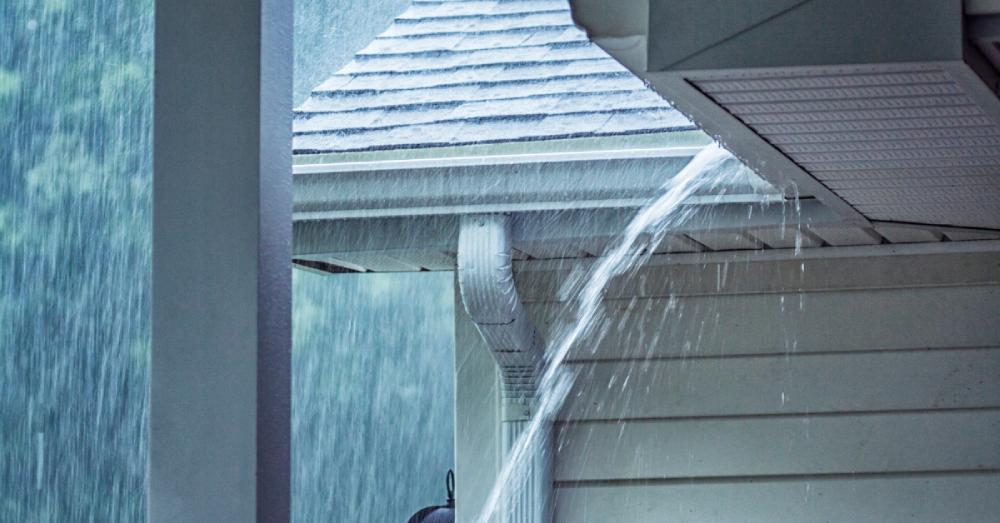
In this blog, we’ll explore ten practical roofing tips that will help you keep your roof in excellent condition throughout the year. By tailoring your maintenance efforts to the specific demands of each season, you can prevent common roofing issues, extend the life of your roof, and avoid costly repairs. Let’s dive into these seasonal tips to help you maintain a durable and reliable roof, no matter the weather.
1. Spring: Inspect for Winter Damage
As winter thaws into spring, it’s time to inspect your roof for any damage caused by snow and ice. Look for loose or missing shingles, cracks, and any signs of water damage. Ice dams can also leave behind damage, so check your gutters and roof edges for signs of wear. Early detection and repair of winter damage can prevent small issues from escalating into more significant problems as the weather warms.
2. Spring: Clean Your Gutters and Downspouts
Spring is the perfect time to clear out any debris that has accumulated in your gutters and downspouts. Leaves, twigs, and other debris can cause blockages, leading to water overflow and potential roof damage. Ensuring that your drainage system is clear will help prevent water from backing up under your shingles and causing leaks.
3. Summer: Check for Heat Damage
The intense heat of summer can take a toll on your roof, especially if it has poor ventilation. High temperatures can cause shingles to crack, warp, or lose their protective granules. During the summer, inspect your roof for signs of heat damage and consider installing additional vents or an attic fan to improve airflow and reduce heat buildup.
4. Summer: Remove Moss and Algae
Moss and algae thrive in warm, humid conditions and can damage your shingles if left unchecked. Use a roof cleaning solution or a mixture of water and bleach to gently remove these growths. Installing zinc or copper strips can also help prevent moss and algae from returning, keeping your roof looking clean and healthy.
5. Fall: Prepare for Falling Leaves
As the leaves begin to fall, they can accumulate on your roof and in your gutters, leading to blockages and water damage. Regularly clean your gutters and remove any debris from your roof during the fall season. Installing gutter guards can also help keep leaves out, reducing the need for frequent cleaning.
6. Fall: Inspect Flashing and Seals
Before winter sets in, check the flashing around chimneys, skylights, and vents, as well as the seals around these areas. Properly sealed flashing prevents water from seeping into your home. Replace any damaged or deteriorated flashing and reseal areas as necessary to ensure your roof is watertight.
7. Winter: Monitor Ice Dams
Ice dams form when heat escapes from your attic, causing snow on your roof to melt and refreeze at the edges. These ice formations can damage shingles and lead to leaks. To prevent ice dams, ensure your attic is well-insulated and ventilated. If you notice ice dams forming, use a roof rake to remove snow from the roof’s edge safely.
8. Winter: Inspect After Storms
Winter storms can cause significant damage to your roof, including missing shingles, leaks, and structural damage. After a major storm, conduct a thorough inspection of your roof to identify any issues. Addressing storm damage promptly can prevent further deterioration and costly repairs.
9. Year-Round: Schedule Professional Inspections
In addition to your seasonal maintenance, it’s a good idea to schedule professional roof inspections at least once a year. A professional roofer can spot issues that may not be visible to the untrained eye and provide expert advice on maintenance and repairs. Regular professional inspections help ensure that your roof remains in optimal condition throughout the year.
10. Year-Round: Maintain Proper Ventilation and Insulation
Good ventilation and insulation are crucial for protecting your roof year-round. Proper ventilation prevents heat and moisture buildup, which can cause roofing materials to deteriorate. Adequate insulation helps regulate your home’s temperature, reducing the strain on your roof and preventing ice dams. Regularly check your attic’s ventilation and insulation to ensure they are functioning effectively.
Conclusion
A well-maintained roof is essential for protecting your home from the elements and ensuring year-round comfort. By following these ten seasonal roofing tips, you can address the unique challenges of each season and keep your roof in excellent condition. Regular inspections, cleaning, and preventive measures can go a long way in extending the life of your roof and avoiding costly repairs. Remember, proactive maintenance is the key to a durable and reliable roof that will safeguard your home for many years to come.