1. Regular Roof Inspections
One of the most effective ways to prevent roof leaks is to conduct regular inspections. It’s recommended to inspect your roof at least twice a year, ideally in the spring and fall, as well as after severe weather events. Look for signs of damage such as missing or cracked shingles, rusted flashing, and damaged gutters. Early detection of issues can prevent minor problems from becoming major leaks.
2. Maintain Your Gutters
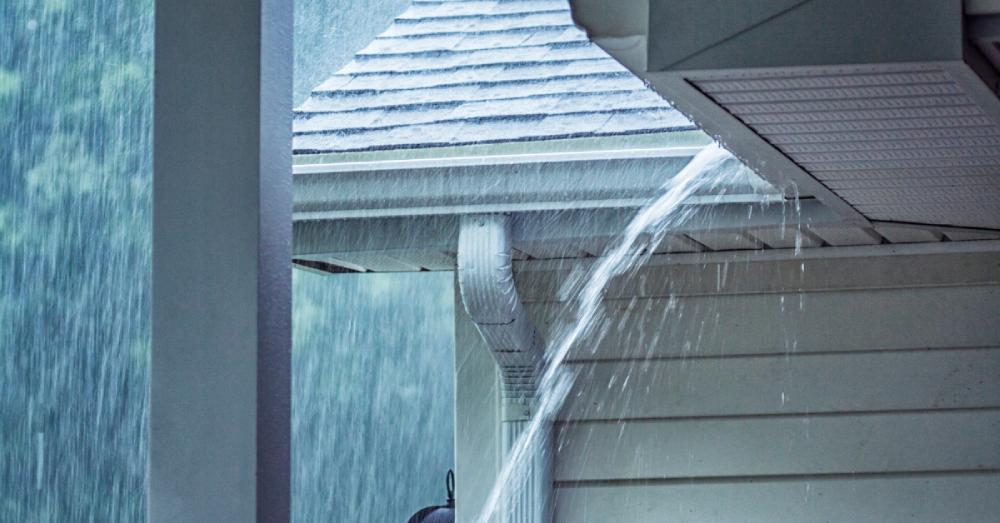
Clogged gutters can cause water to back up and seep under your roof, leading to leaks. Regularly clean your gutters and downspouts to ensure they are free of debris such as leaves, twigs, and dirt. Installing gutter guards can also help keep debris out and ensure proper water drainage away from your roof and foundation.
3. Trim Overhanging Trees
Overhanging tree branches can pose a significant risk to your roof. During storms, branches can break and damage the roof surface or gutters. Additionally, leaves and debris from trees can accumulate on your roof, leading to moisture buildup and potential leaks. Regularly trim trees near your home to prevent these issues and maintain a clear space above your roof.
4. Check and Maintain Flashing
Flashing is a critical component of your roof that prevents water from seeping into joints and seams, such as around chimneys, vents, and skylights. Damaged or improperly installed flashing is a common cause of roof leaks. During inspections, check the flashing for signs of rust, cracks, or gaps. Repair or replace damaged flashing promptly to maintain a watertight seal.
5. Seal Roof Vents and Skylights
Roof vents and skylights are potential weak points where leaks can occur if not properly sealed. Ensure that the seals around these fixtures are intact and in good condition. Use high-quality caulk or roofing cement to reseal any gaps or cracks. Additionally, inspect the glass and frames of skylights for any signs of damage or wear.
6. Address Attic Ventilation Issues
Proper attic ventilation is essential for maintaining a healthy roof. Poor ventilation can lead to moisture buildup, which can cause mold growth, wood rot, and ultimately, leaks. Ensure that your attic has adequate ventilation to allow for proper airflow and reduce moisture levels. This can be achieved through a combination of soffit vents, ridge vents, and attic fans.
7. Inspect Roof Valleys
Roof valleys are areas where two roof slopes meet, and they are particularly vulnerable to leaks. Water naturally flows towards these valleys, so it’s crucial to ensure they are free of debris and properly sealed. Check the flashing and shingles in the valleys for any signs of damage or wear. If you notice any issues, repair them immediately to prevent leaks.
8. Install Proper Insulation
Proper insulation helps regulate your home’s temperature and prevents moisture buildup in the attic. Insufficient insulation can lead to ice dams in colder climates, which can cause water to back up under the shingles and lead to leaks. Ensure your attic is well-insulated to maintain a consistent temperature and reduce the risk of ice dams and moisture-related issues.
9. Promptly Repair Damaged Shingles
Damaged shingles are a common source of roof leaks. Whether due to age, weather, or physical impact, damaged shingles can allow water to penetrate the roof’s surface. During your inspections, look for cracked, curled, or missing shingles and replace them promptly. Even a small area of damage can lead to significant water intrusion if left unaddressed.
10. Schedule Professional Roof Inspections
While regular DIY inspections are important, scheduling professional roof inspections is also essential. Professional roofers have the expertise to identify issues that may not be visible to the untrained eye. They can provide a comprehensive assessment of your roof’s condition and recommend necessary repairs or maintenance to prevent leaks.
Conclusion
Preventing roof leaks requires a proactive approach and regular maintenance. By following these ten expert tips, you can protect your home from water damage, extend the life of your roof, and save on costly repairs. Remember, addressing potential issues early is key to maintaining a watertight and durable roof.
If you have any concerns about your roof’s condition or need professional assistance, don’t hesitate to contact a qualified roofing contractor. Taking care of your roof today will ensure your home stays safe and dry for years to come.