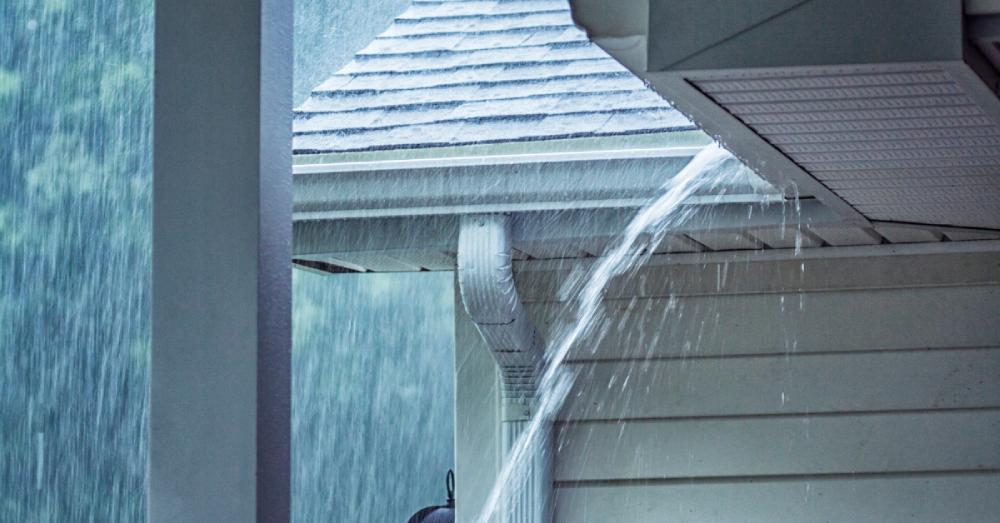
Heavy rainstorms are a leading cause of emergency roof issues for both residential and commercial properties. When water starts dripping through your ceiling or walls, it can trigger panic—especially if it happens during the middle of the night or when roofing professionals are unavailable.
This guide will walk you through the critical steps to take if your roof begins leaking during a rainstorm, how to temporarily contain the damage, and what you should do once the skies clear.

Why Roof Leaks Happen During Rainstorms
Roofs are designed to withstand weather, but over time, wear and tear, poor installation, or storm damage can compromise their integrity. Common causes of roof leaks during a rainstorm include:
- Missing or damaged shingles
- Cracked flashing or vent boots
- Clogged gutters leading to water pooling
- Loose roofing nails or exposed fasteners
- Poor roof slope or drainage
- Old age or poor maintenance
When torrential rain hits, even a minor flaw in the roofing system can become a major problem.
Step 1: Stay Calm and Prioritize Safety
If you detect a leak during a rainstorm:
- Don’t panic. Take a moment to assess the situation calmly.
- Turn off electricity in the affected area, especially if water is near outlets or lighting fixtures.
- Move furniture, electronics, and valuables away from the leak immediately.
- Place buckets or containers under the drip to catch water and reduce interior damage.
If the ceiling is bulging from water accumulation, carefully poke a small hole to allow the water to drain slowly into a bucket—this prevents a full ceiling collapse.
Step 2: Contain the Leak Temporarily
You likely won’t be able to perform full repairs during a storm, but there are some safe temporary fixes:
Use a Tarp (if accessible and safe)
- If you can safely access the roof (not recommended during active rain or high winds), place a heavy-duty tarp over the suspected leaking area.
- Weigh it down with bricks or sandbags to keep it from blowing away.
Plastic Sheeting Indoors
- Use plastic sheeting or garbage bags to create a barrier around the leak inside your home or business.
- Tape the plastic securely to redirect water into buckets or drains.
Roofing Tape or Sealant (for small cracks)
- In accessible attic areas, apply waterproof tape or roofing sealant to visible cracks.
- These should only be used as temporary measures until professionals can inspect.
Step 3: Document the Damage
Before any cleanup, take photos and videos of the affected area. This documentation will be critical for insurance claims. Include:
- Interior damage to walls, furniture, or electronics
- The ceiling or attic leak source
- Exterior roofing if visible (after the storm)
Also, save receipts for any supplies or temporary repairs, as they may be reimbursable through your homeowner’s insurance.
Step 4: Call for Emergency Roofing Help
Once you’ve controlled the immediate situation, contact a professional roofer. Many companies offer emergency services and will prioritize homes with active leaks. A professional inspection will include:
- Identifying the root cause of the leak
- Assessing damage to shingles, flashing, or structural supports
- Providing a quote for permanent repairs
Avoid delaying this step—even a small leak can lead to mold, rot, and insulation damage within days.
Step 5: Prevent Future Roof Leaks
Rainstorm roof leak solutions don’t end after the storm. Take proactive measures to protect your roof moving forward:
- Schedule annual roof inspections, especially before storm seasons.
- Clear gutters and downspouts regularly to prevent backups.
- Trim overhanging branches that can damage shingles or drop debris.
- Upgrade to weather-resistant roofing materials, particularly in storm-prone regions.
- Inspect after each major storm for signs of loose shingles or pooling water.
Common Roof Leaks: DIY vs. Professional Repair Guide
| Leak Type | Common Causes | DIY-Friendly? | Recommended Solution |
|---|---|---|---|
| Missing or Damaged Shingles | Wind damage, aging, or improper installation | ✅ Yes | Replace individual shingles using roofing nails and sealant. Ensure proper alignment and overlap. |
| Cracked Flashing | Corrosion, weather exposure, or poor installation around chimneys and vents | ⚠️ Limited | Temporary sealing with roofing tape; however, full replacement by a professional is recommended for longevity. |
| Clogged Gutters | Accumulation of leaves, debris, or ice dams | ✅ Yes | Clean gutters regularly to ensure proper water drainage away from the roof. |
| Leaky Skylights | Improper installation, worn seals, or flashing issues | ⚠️ Limited | Apply silicone sealant for minor leaks; consult a professional for persistent issues or resealing. |
| Damaged Vent Booting | Cracks or deterioration around vent pipes | ⚠️ Limited | Use rubber boot repair kits for minor damage; severe cases require professional replacement. |
| Ice Dams | Poor attic insulation leading to snow melt and refreezing at eaves | ❌ No | Improve attic insulation and ventilation; remove ice dams carefully or hire professionals for safe removal. |
| Ponding Water on Flat Roofs | Inadequate drainage or structural sagging | ❌ No | Install additional drains or tapered insulation; professional assessment needed to correct drainage issues. |
| Roof Valley Leaks | Improperly sealed valleys where two roof planes meet | ❌ No | Professional resealing with appropriate underlayment and flashing materials is necessary. |
| Chimney Leaks | Cracked mortar joints, damaged flashing, or chimney cap issues | ❌ No | Professional inspection and repair, including repointing mortar and replacing flashing or chimney caps. |
| General Wear and Tear | Aging roofing materials leading to cracks or holes | ⚠️ Limited | Small cracks can be patched with roofing sealant; extensive wear requires professional evaluation and repair. |
When to Replace Your Roof Instead of Repairing
If your roof is older than 15–20 years or has had repeated issues, it may be time for a replacement. Persistent leaks, mold growth, and shingle deterioration are signs your roof may no longer be structurally sound.
A new roof may seem costly upfront but can prevent years of expensive emergency fixes and interior repairs.
Final Thoughts
A roof leak during a rainstorm is a frustrating experience, but staying calm and acting quickly can prevent widespread damage. Always prioritize safety, use temporary measures to control water intrusion, and call a professional roofer as soon as possible.
With the right approach, you can turn a stressful situation into a manageable one—and ensure your roof is storm-ready for the future.