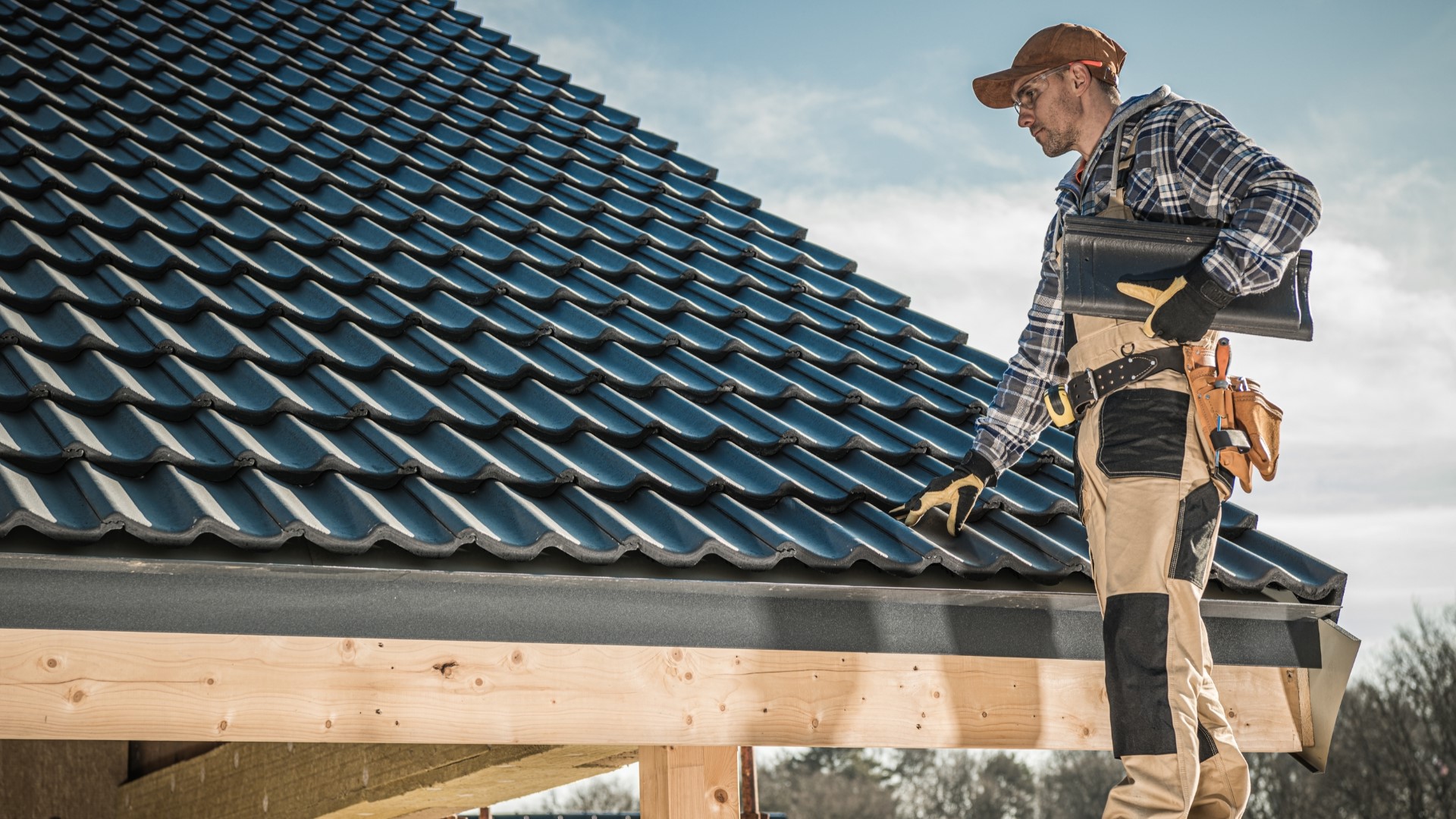
When a roof leak appears, the first question many homeowners ask is: Can I fix this myself, or do I need a professional? While some minor leaks can be temporarily patched with DIY methods, others require expert attention to prevent long-term structural damage.
Understanding when to attempt emergency roof repair DIY and when to call a roofer is crucial for avoiding costly mistakes. This guide explores the risks, benefits, and best practices for both DIY fixes and professional repairs.
DIY Roof Leak Repair vs. Professional Fix: Which One Is Right for You?
The decision between DIY vs. professional roof repair depends on several factors, including the severity of the leak, accessibility, and long-term durability. The table below outlines key considerations:
| Factor | DIY Repair | Professional Repair |
|---|---|---|
| Cost | Lower upfront cost (typically $50 – $200 for materials) | Higher cost ($300 – $1,500+), but long-term savings |
| Skill Level Required | Basic handyman skills needed for small leaks | Expertise required for major leaks or structural damage |
| Safety | Risk of falling, especially on steep or wet roofs | Professionals have safety equipment and training |
| Effectiveness | Temporary fix; may not last long | Permanent fix with proper materials |
| When It Works Best | Small cracks, minor shingle replacement | Widespread leaks, flashing damage, storm-related issues |
While a DIY approach may seem cost-effective, homeowners must weigh the risks carefully—especially if the leak is severe.
When Can You Fix a Roof Leak Yourself?
For small, easily accessible leaks, a temporary DIY fix may work until professional repairs are available. Here’s when a DIY roof repair might be a good option:
✔️ Minor Shingle Damage
- If only one or two shingles are cracked or missing, you can replace them using roofing cement or adhesive.
✔️ Small Holes or Punctures
- Small holes can be sealed with roofing tape or silicone-based caulk.
✔️ Temporary Patching for Small Leaks
- A peel-and-stick roof patch or roofing sealant can provide short-term protection.
✔️ Tarping a Leaking Area
- Securing a waterproof tarp over a damaged section can prevent further water intrusion.
Even with these quick fixes, DIY repairs are never a long-term solution. Homeowners should always monitor the affected area and schedule permanent repairs as soon as possible.
For larger leaks, structural damage, or issues caused by storms, understanding the steps to handle emergency roof repairs is critical to preventing further problems.
When Should You Call a Professional Roofer?
While minor leaks can be patched, some situations demand professional attention:
⚠️ Multiple Leaks or Water Stains Appear
- If leaks are spreading or multiple rooms show signs of water damage, there may be widespread roof failure.
⚠️ Sagging or Structural Damage
- If the ceiling or attic is sagging, the underlying structure could be compromised.
⚠️ Flashing or Vent Leaks
- Leaks around chimneys, skylights, or roof vents are best repaired by professionals.
⚠️ Damage After a Storm
- High winds, hail, or fallen debris can cause hidden damage that only an expert can assess.
⚠️ Signs of Mold or Water Damage Indoors
- Persistent leaks can lead to mold growth, wood rot, and insulation damage.
These larger issues not only pose a risk to the home’s structural integrity but can also lead to higher repair costs if ignored.
If left unaddressed, roof leaks can contribute to serious interior damage, including mold and water infiltration. Homeowners can minimize risk by following effective steps to prevent water damage after a leak occurs.
Common DIY Roof Repair Mistakes to Avoid
Even if a leak looks small, incorrect DIY repairs can lead to bigger problems. Here are some common mistakes homeowners make when attempting DIY roof repairs:
🚫 Using the Wrong Materials
- Household caulk, duct tape, or plastic sheets won’t hold up against rain and wind.
- Only roofing-specific sealants and materials should be used.
🚫 Improper Tarp Installation
- A tarp that is loosely secured will blow away in strong winds.
- Fasten tarps with nails and boards for durability.
🚫 Ignoring Underlying Damage
- Fixing a visible leak without checking the roof deck or flashing can mask bigger issues.
🚫 Walking on a Wet Roof
- Roofs become extremely slippery when wet, increasing the risk of falls.
🚫 Delaying Professional Repairs
- A quick patch should only be a temporary measure—permanent repairs prevent costly damage later.
Homeowners should only attempt minor DIY fixes and seek professional help when necessary.
Cost Comparison: DIY vs. Professional Roof Repair
| Repair Type | DIY Cost Estimate | Professional Cost Estimate |
|---|---|---|
| Minor Leak Sealing | $50 – $200 (sealant, tape, patches) | $250 – $750 |
| Shingle Replacement (Small Area) | $100 – $300 | $300 – $1,000 |
| Tarp Installation | $50 – $250 | $300 – $1,000 |
| Flashing Repair | $100 – $400 | $500 – $1,500 |
| Major Leak Repair or Structural Fix | 🚫 Not Recommended | $1,500 – $5,000+ |
While DIY repairs can be cheaper in the short term, improper fixes can result in higher costs down the road.
Final Thoughts
While DIY emergency roof repairs can temporarily stop a leak, they are not a substitute for professional repairs. Minor fixes like patching small leaks or replacing a few shingles may work short-term, but larger leaks, structural damage, or storm-related issues require expert attention.
Knowing when to call a roofer can save money and prevent further damage, ensuring long-term durability and home safety.