Soffits and fascia are crucial elements of a home’s roofing system, yet they often go unnoticed. While these components may seem minor, they play a significant role in roof ventilation, aesthetics, and overall durability. Understanding the role of soffits and fascia in roof health can help homeowners make informed decisions about maintenance, repairs, and replacements. In this article, we’ll break down the function of soffits and fascia, how they contribute to roof health, and offer tips to keep them in excellent condition.
What Are Soffits and Fascia?
Soffits
Soffits are located on the underside of your roof’s overhang, beneath the eaves. They often have small ventilation holes or louvers to allow air to flow into the attic, balancing the temperature and moisture levels within. Soffits are essential for ventilation, preventing mold, rot, and moisture buildup in the attic and roof structure.
Fascia
Fascia is the horizontal board that runs along the edge of the roof, where the gutters are typically attached. It provides a finishing touch to the roofline and protects the roof’s edge from weather exposure. Fascia also supports the weight of the gutters, so it must be durable and well-maintained to handle water runoff during rain and snow.
The Role of Soffits and Fascia in Roof Health
The role of soffits and fascia in roof health is critical, as they both help protect and preserve the roof and attic. Here’s how each component contributes to a well-functioning roofing system:
1. Ventilation and Temperature Regulation
Soffits play a vital role in maintaining proper attic ventilation. By allowing fresh air to enter and circulate within the attic, soffits prevent excessive heat and moisture buildup. Poor ventilation can cause temperatures in the attic to soar in summer, leading to issues like warped shingles and reduced roof lifespan. In winter, trapped moisture can lead to mold growth and ice dams, which are damaging to roof health. By allowing air to flow freely, soffits help maintain consistent attic temperatures, improving roof durability.
2. Protection Against Weather Damage
Fascia acts as a protective barrier between the roof edge and the elements. It shields the roofing materials from rain, snow, and wind, preventing moisture from seeping into the roofline. This barrier reduces the risk of water damage, rot, and mold growth in the wooden structures beneath the roof. A healthy fascia also helps keep pests like birds, squirrels, and insects from entering the attic, protecting the structural integrity of your home.
3. Support for Gutters
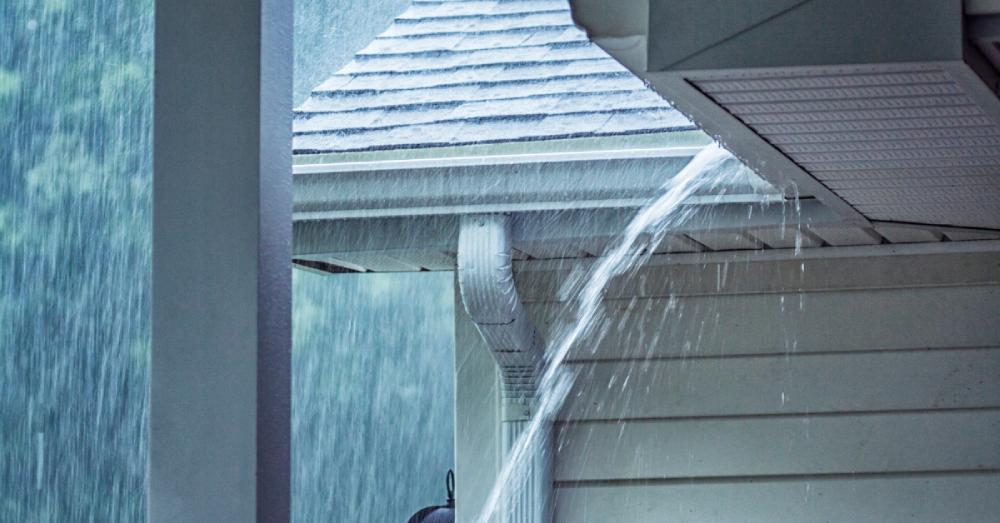
The fascia provides essential support for gutters, which are attached directly to it. Properly functioning gutters direct rainwater away from your home, protecting the foundation and preventing water from pooling around the roofline. If the fascia board is weak or damaged, it can compromise the gutter system, leading to water overflow, leaks, and potential damage to your roof and foundation.
4. Aesthetic Appeal and Home Value
In addition to their functional roles, soffits and fascia add a polished, finished look to a home’s exterior. When well-maintained, they improve the curb appeal of the house and, by extension, its value. Damaged or neglected soffits and fascia can make a home look unkempt, which can lower its aesthetic appeal and resale potential.
Maintenance Tips for Soffits and Fascia
The role of soffits and fascia in roof health is essential, so proper maintenance can ensure they remain effective for years. Here are some maintenance tips to keep them in excellent shape:
1. Inspect for Damage Regularly
Perform routine inspections of your soffits and fascia, especially after heavy storms or seasonal changes. Look for signs of rot, warping, cracks, peeling paint, or pest infestations. Early detection of damage can help you address minor issues before they become costly problems.
2. Keep Gutters Clean and Secure
Since gutters are attached to the fascia, keeping them clean and free of debris is essential. Clogged gutters can cause water to back up, leading to moisture damage and rot in the fascia boards. Ensure gutters are securely fastened to avoid strain on the fascia. Consider installing gutter guards to minimize debris buildup and reduce maintenance needs.
3. Seal Cracks and Gaps
If you notice cracks or gaps in the soffits or fascia, seal them with weatherproof caulk to prevent water infiltration. Small openings can allow moisture and pests to enter, leading to rot, mold, and structural issues. Sealing these gaps protects the soffits, fascia, and the underlying roof structure.
4. Repaint or Stain Periodically
Regularly repainting or staining your soffits and fascia adds a protective layer that guards against moisture, UV damage, and pests. Choose a high-quality, weather-resistant paint or stain that complements your home’s exterior. This step not only preserves the material but also maintains the appearance of your home.
5. Ensure Proper Ventilation
Check that your soffits have adequate ventilation holes or vents to allow proper airflow into the attic. Blocked or insufficient ventilation can lead to heat and moisture buildup, which affects the entire roofing system. If you notice reduced airflow, consider consulting a professional to evaluate your attic ventilation.
When to Consider Professional Help
While many aspects of soffit and fascia maintenance are manageable for homeowners, there are times when professional assistance may be necessary. For instance, if you notice signs of extensive rot, structural damage, or pest infestation, it’s best to consult a roofing expert. Professionals can safely repair or replace damaged soffits and fascia, ensuring your roof remains structurally sound.
Additionally, a roofing contractor can inspect your attic ventilation system to ensure it is adequate and functioning well. This proactive approach can prevent long-term roof damage and save you money on future repairs.
Final Thoughts
The role of soffits and fascia in roof health is integral to the protection, durability, and appearance of your roofing system. These components contribute to ventilation, shield your home from the elements, and support essential structures like gutters. By prioritizing the maintenance of soffits and fascia, homeowners can prevent costly repairs, protect their roofs, and improve their home’s curb appeal. Remember, a small investment in upkeep can go a long way in preserving the overall health and value of your home.